
Property Boundaries That Define
Your Space Clearly
Residential Fence Installation in Albany for properties needing privacy, security, or clear boundary definition
MCM Fence, LLC installs residential fencing systems designed to meet specific property needs across Albany and the surrounding South Georgia region. Homeowners typically pursue fencing projects when they need to establish visible property lines, create private outdoor spaces, or add security layers around their homes.
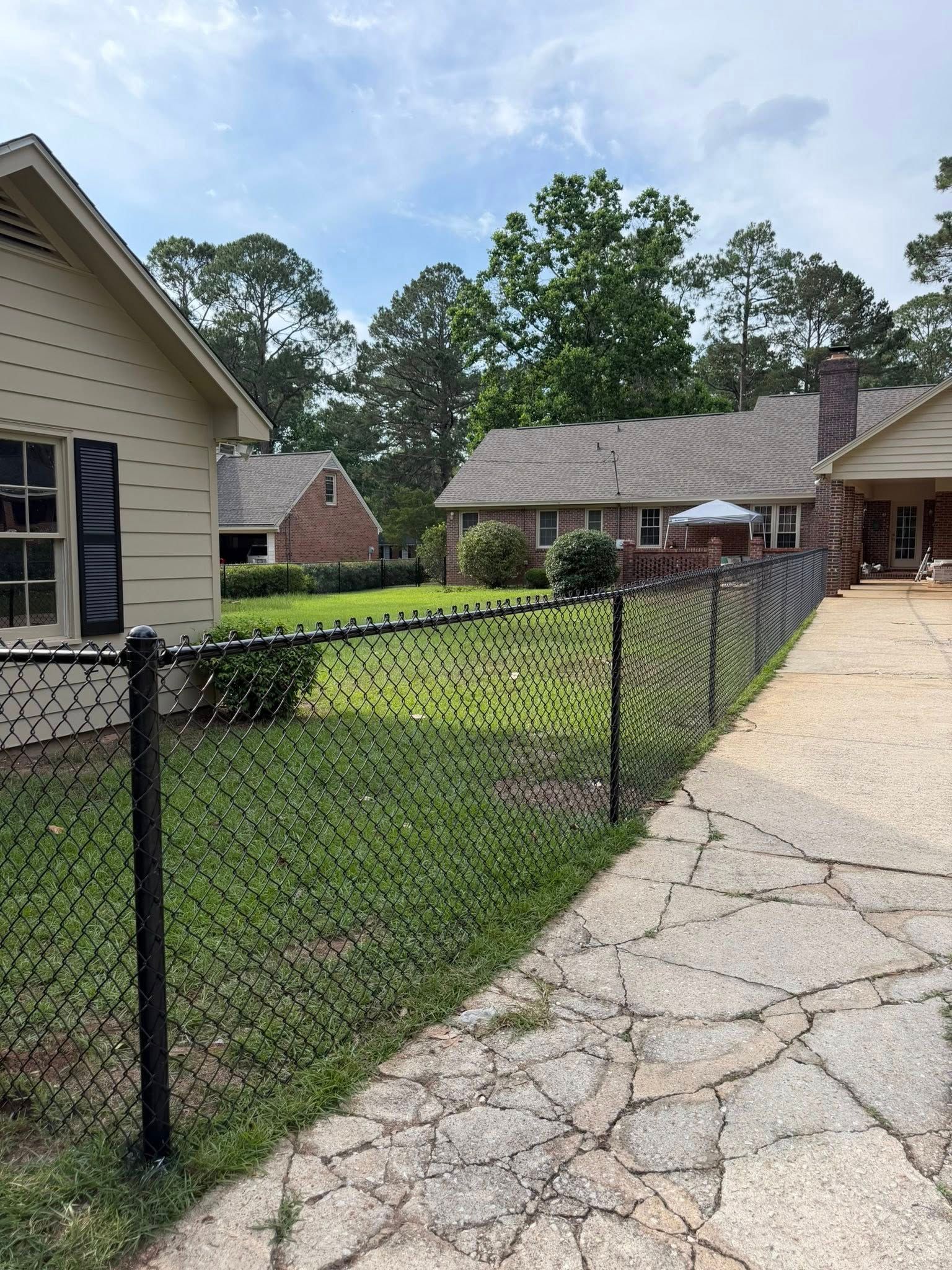
Residential fencing addresses multiple property concerns through material selection tailored to functional priorities. Wood fencing provides traditional privacy screening and noise reduction, while vinyl offers similar coverage with reduced maintenance requirements in humid climates. Aluminum fencing delivers decorative definition without obstructing sightlines, and chain link provides cost-effective security for larger yard perimeters. The choice depends on whether you prioritize full visual separation, low upkeep, aesthetic presentation, or budget considerations.
Schedule a property evaluation to review fence placement options and material recommendations specific to your yard layout.
What Proper Residential Fencing Requires
Installation begins with property line verification and utility location marking to help prevent conflicts with underground infrastructure. Proper fence construction focuses on creating a stable foundation, accurate alignment, and long-term durability that can withstand South Georgia's changing weather conditions and seasonal rainfall.
Once installed, a residential fence immediately improves both the functionality and appearance of the property. Privacy fences create more secluded outdoor living areas, decorative fences enhance landscaping and curb appeal, and perimeter fencing establishes clear property boundaries. A professionally installed fence also provides added security, organization, and definition throughout the yard.
Quality fencing projects include reinforced corner and gate posts, panels that follow the property's natural terrain, and hardware selected for long-term performance. Gate systems require additional support to handle frequent use, while proper spacing and alignment help maintain a clean, attractive appearance across the entire fence line. With the right materials and installation practices, residential fencing delivers lasting value, reliable performance, and enhanced curb appeal for years to come.
.
What Property Owners Usually Ask
Questions about residential fencing often focus on durability in local weather conditions and how different materials perform over time in South Georgia's climate.
What material works best for privacy and low maintenance?
Vinyl fencing provides full privacy screening without the need for staining or sealing, which wood requires every few years to prevent weathering and rot in humid conditions.
How deep do fence posts need to go in Albany soil?
Posts are driven four to five feet into the ground to reach stable soil layers beneath the topsoil, which prevents leaning caused by erosion or ground movement during heavy rain.
When should I install fencing if I'm planning other yard projects?
Fencing typically goes in after grading and drainage work but before landscaping, so post placement doesn't disrupt finished plantings or irrigation lines.
What's included in a residential fence installation?
Installation covers post driving, panel or picket attachment, gate hardware mounting, and cleanup of disturbed soil along the fence line.
How does fencing affect property value and curb appeal?
Well-maintained fencing increases perceived property boundaries and creates defined outdoor living areas, which prospective buyers view as functional upgrades rather than cosmetic additions.
MCM Fence, LLC has installed residential fencing systems across South Georgia for eleven years, working with properties that range from small urban lots to multi-acre rural homes. Request a site consultation to discuss fence styles, placement strategies, and material options that match your property's specific layout and functional requirements.